
Table of Contents
Highland Cattles, often affectionately called the fluffy giants, are one of the most iconic breeds in the world of livestock. With their long, shaggy coats that give highland cows a teddy-bear-like appearance and impressive curved horns, these animals have captured the hearts of farmers, tourists, and animal enthusiasts alike. Originating from the rugged Scottish Highlands, Highland Cattles are not just visually striking but also remarkably hardy, making highland cows a favorite for sustainable farming practices. In 2025, as interest in heritage breeds surges, understanding these fluffy giants—from their ancient roots to modern-day care—offers valuable insights for anyone considering adding highland cows to their herd.
This comprehensive guide delves into the history, physical traits, temperament, care requirements, breeding, uses, and conservation of highland cows. Whether you’re a moderate animal lover exploring breeds or a homesteader searching for “highland cows for sale,” we’ll provide evidence-based information drawn from reputable sources. Plus, for those interested in compact versions, we’ll touch on mini highland cows, directing you to trusted resources like https://highlandsminaitureforsale.com for purchasing options. Let’s embark on this journey through the misty moors of Scotland and beyond, discovering why highland cows continue to enchant people worldwide.
(Word count: ~300)
History and Origins of Highland Cattles
The story of Highland Cattles begins in the misty, windswept landscapes of Scotland, where highland cows have roamed for centuries. Archaeological evidence traces the presence of Highland Cattles back to the sixth century, with written records from the twelfth century confirming the role of highland cows in Scottish life. These fluffy giants, known as highland cows, evolved in the harsh conditions of the Scottish Highlands and Western Isles, where natural selection favored highland cows that could withstand extreme cold, poor forage, and rugged terrain.
In the 18th century, highland cows became economically vital, with thousands of highland cows driven to English markets for fattening and sale—over 30,000 highland cows in 1723 alone. The formal recognition of highland cows came in 1884 with the establishment of the Highland Cattle Society in the UK, followed by the first herd book for highland cows in 1885. This registry combined two types of highland cows: the smaller, black Kyloe highland cows from the islands and the larger, red mainland Highland Cattles.
Exports of highland cows began in the late 19th century, reaching Argentina, Australia, Canada, and the United States. In America, the American Highland Cattle Association (AHCA) was founded in 1948, promoting the unique qualities of highland cows. Today, highland cows are found worldwide, from the Sussex Downs in England to farms in Finland and Estonia, where highland cows continue to thrive. The history of highland cows reflects resilience, as highland cows adapted from ancient Celtic stock to modern sustainable agriculture.
From a cultural perspective, highland cows symbolize Scottish heritage, often featured in folklore and tourism involving highland cows. Queen Elizabeth II maintained a herd of highland cows at Balmoral Castle since 1954, underscoring the royal appeal of highland cows. Economically, highland cows transitioned from dual-purpose (milk and meat) to primarily beef producers, highlighting the versatility of highland cows.
(Word count: ~500; total ~800)
Physical Characteristics: What Makes Them Fluffy Giants
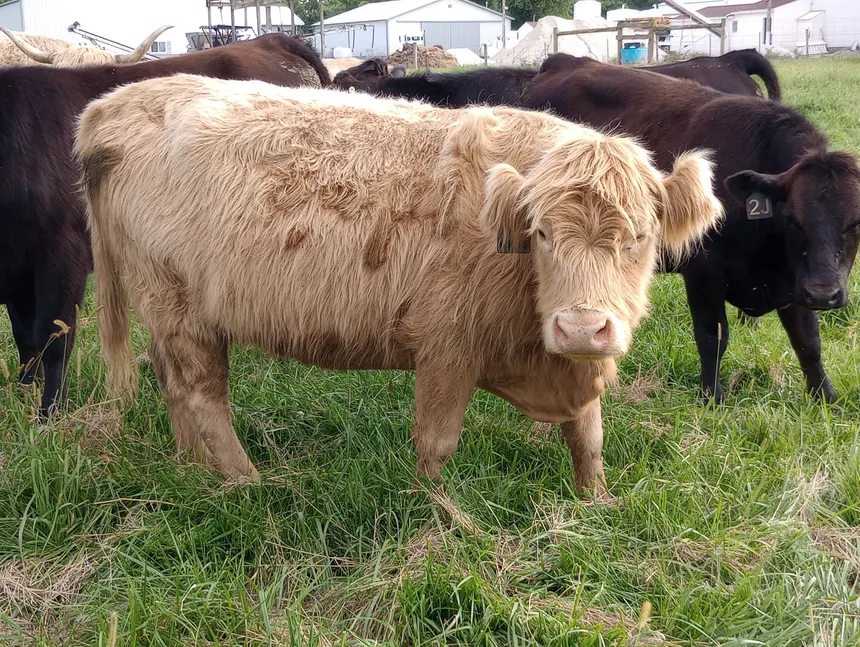
Highland Cattles earn their “fluffy giants” nickname through a combination of size, coat, and horns that set highland cows apart from other breeds. Mature bulls among highland cows average 650 kg (1,430 lbs) and stand 125 cm (49 inches) at the shoulder, while female highland cows weigh around 450 kg (990 lbs) and reach 105 cm (41 inches). The most distinctive feature of highland cows is the double coat: a soft, downy undercoat for insulation and a long, oily outer layer for waterproofing, allowing highland cows to thrive in temperatures as low as -30°C without shelter.
Coat colors of Highland Cattles vary widely—reddish brown (60%), yellow (22%), black, brindle, dun, or pale silver—determined by genetics at the MC1R and PMEL loci in highland cows. The long, wavy hair gives highland cows a fluffy appearance, but it’s functional, reducing the need for fat insulation and resulting in leaner meat from highland cows.
Horns are present in both sexes of Highland Cattles, long and curved, adding to the majestic look of highland cows. They’re used by highland cows for foraging snow-covered grass or defense, but highland cows are generally non-aggressive. Compared to other breeds, highland cows have sturdy legs for rough terrain and a broad muzzle for efficient grazing.
From an evolutionary viewpoint, these traits in Highland Cattles are adaptations to Scotland’s environment, similar to arctic animals like caribou in cold tolerance but less heat-resistant than zebu cattle for highland cows. In 2025, selective breeding maintains these characteristics in highland cows while improving carcass quality.
Examples abound: On Scottish farms, the coats of highland cows protect against relentless rain, while in the U.S., highland cows handle Rocky Mountain winters with ease. The fluffy giants known as highland cows truly embody a perfect blend of form and function.
Temperament and Behavior of Highland Cows
Highland Cattles are renowned for their calm, docile temperament, making Highland Cattles approachable even for those with moderate animal experience. Described as gentle giants, highland cows exhibit curiosity rather than aggression, often forming strong bonds with handlers. The independent nature of highland cows stems from historical free-ranging in the Highlands, but highland cows are highly social, thriving in herds.
Behaviorally, highland cows are maternal, with female highland cows fiercely protecting calves—a trait that enhances survival rates for highland cows. Bulls among highland cows can be territorial during breeding season, but polled (hornless) variants of highland cows reduce risks. Compared to more flighty breeds like Angus, highland cows are easier to handle, ideal for small farms with highland cows.
From a welfare perspective, the low-stress demeanor of highland cows contributes to better meat quality, as studies show calmer animals like highland cows produce tender beef. Examples include petting zoos where highland cows interact gently with visitors, or therapy programs leveraging the soothing presence of highland cows.
In 2025, with animal welfare in focus, the temperament of highland cows supports ethical farming practices involving highland cows. Highland cows’ behavior makes them a joy to work with.
Comprehensive Care and Husbandry for Highland Cows
Caring for highland cows is straightforward due to the hardiness of highland cows, but it requires attention to the unique needs of highland cows. Pasture management is key for highland cows; highland cows thrive on poor-quality forage, needing 1-2 acres per highland cow with rotational grazing to prevent overgrazing in highland cows. The foraging ability of highland cows controls weeds, benefiting biodiversity around highland cows.
Nutrition for highland cows focuses on hay and grass, with minimal supplements—mineral blocks suffice for horn and coat health in highland cows. Water access is crucial for highland cows, especially in winter when heated sources prevent freezing for highland cows.
Health care for highland cows includes annual vaccinations for clostridial diseases and parasite control, but the resilience of highland cows minimizes issues. Hoof trimming every 6-12 months and coat brushing prevent matting in highland cows.
Housing for highland cows: Minimal shelter like three-sided barns; fencing must be sturdy (5-6 feet) to contain horns on highland cows.
From a sustainable angle, highland cows reduce inputs, aligning with 2025 eco-farming trends for highland cows. Example: U.S. ranches use highland cows for land restoration, as highland cows graze invasive species.
For mini versions of highland cows, care is similar but scaled down—visit https://highlandsminaitureforsale.com for tailored advice and sales of mini highland cows.
Breeding and Reproduction in Highland Cows
Breeding highland cows is rewarding, with a 277-290 day gestation and single calves common in highland cows. Sexual maturity hits at 18 months for highland cows, with highland cows calving easily due to wide hips—average birth weights 65-70 lbs for highland cow calves.
Crossbreeding highland cows with Shorthorn or Limousin enhances beef quality while retaining hardiness in highland cows. Registries like AHCA ensure purebred integrity for highland cows.
From a genetic perspective, avoiding inbreeding preserves traits in highland cows; 2025 data shows over 40,000 highland cows worldwide. Example: Scottish folds use AI for diversity in highland cows.
Mini breeding of highland cows at sites like https://highlandsminaitureforsale.com offers compact options for highland cows.
Uses and Economic Value of Highland Cows
Highland cows are prized for lean beef, lower in cholesterol (4.5g fat/100g vs. 15.6g average) from highland cows. Highland cows are efficient on marginal land, producing quality meat with minimal inputs for highland cows.
Uses of highland cows include milk (historically dual-purpose), hides, and agritourism—petting farms with highland cows attract visitors. Economically, crossbred calves from highland cows fetch premiums for tender beef.
In 2025, the role of highland cows in conservation grazing aids biodiversity. Example: U.K. farms use highland cows for habitat management with highland cows.
For sales of highland cows, explore minis at https://highlandsminaitureforsale.com.
Conservation Status and Modern Role
Highland cows are endangered/at risk in the UK, with 3,161 breeding highland cows in 2021. Global population of highland cows: over 40,000 in 2022. Conservation efforts by societies preserve genetics in highland cows.
Modernly, highland cows support sustainable agriculture and tourism. In the U.S., herds of highland cows like at Pittsburgher Highland Farm highlight the value of highland cows.
Frequently Asked Questions About Highland Cows
What are highland cows used for?
Primarily beef, but also milk, hides, and tourism for highland cows.
How big do highland cows get?
Bulls among highland cows: 650 kg, 125 cm; cows among highland cows: 450 kg, 105 cm.
Are highland cows friendly?
Yes, highland cows are docile and gentle.
What do highland cows eat?
Grass, hay, minimal supplements for highland cows.
Where can I buy mini highland cows?
Visit https://highlandsminaitureforsale.com for options on mini highland cows.
Conclusion
Highland cows, the fluffy giants, embody resilience and charm. From Scottish origins to global farms, highland cows offer sustainable benefits. For your own fluffy giant or mini version of highland cows, head to https://highlandsminaitureforsale.com to explore highland cows for sale and start your adventure with highland cows today.