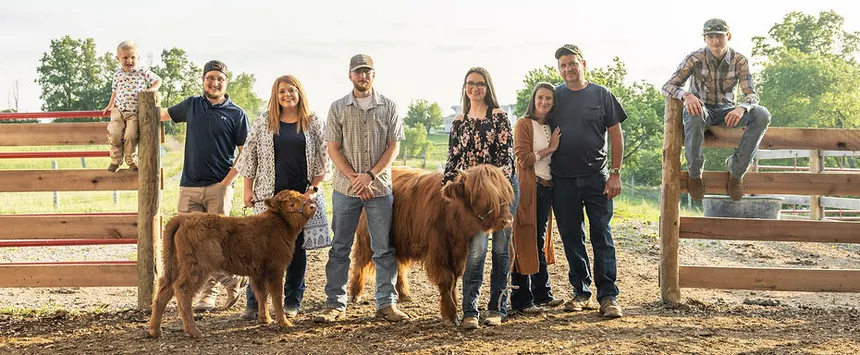
Welcome to this comprehensive guide on mini highland cows for sale, cost, care, and feeding. If you’re considering adding these charming, hardy animals to your homestead or small farm, you’ve come to the right place. Mini highland cows for sale have surged in popularity in recent years, thanks to their adorable appearance, low-maintenance needs, and versatility as pets, milk producers, or even agritourism attractions. This guide is designed for those with moderate knowledge of animals, providing step-by-step actionable instructions to help you navigate everything from selecting mini highland cows for sale to ensuring their long-term health and happiness. We’ll draw on evidence from reputable breeders and registries, addressing the topic from perspectives like pet ownership, small-scale farming, and breeding. For a wide selection of mini highland cows for sale, we recommend visiting https://highlandsminaitureforsale.com, a trusted resource for quality animals and expert advice.
Throughout this guide, we’ll emphasize practical steps, real-world examples, and balanced views—acknowledging that while mini highland cows for sale offer many benefits, they require commitment and proper planning. Let’s dive in.
Understanding Mini Highland Cows for Sale
Before exploring mini highland cows for sale, it’s essential to understand what makes these animals unique. Mini highland cows are smaller versions of the traditional Scottish Highland cattle, bred for compactness while retaining the breed’s signature resilience and charm. They typically stand 36-42 inches at the shoulder, making them ideal for smaller properties where full-sized cattle might be impractical.
From a historical perspective, mini highland cows for sale trace their roots to ancient Scottish Highlands, where full-sized counterparts were bred for survival in harsh conditions. Modern miniaturization began in the 20th century through selective breeding and crosses with smaller breeds like Dexters, resulting in animals that are easier to handle and more suited to hobby farms. However, some experts debate the “purity” of minis, noting that true mini highland cows should maintain 100% Highland genetics to avoid health issues from crossbreeding. This multiple-perspective approach highlights the importance of choosing registered breeders when looking for mini highland cows for sale.
For example, a family in rural Ohio might opt for mini highland cows for sale as pets, appreciating their docile nature, while a small farmer could value them for natural weed control and occasional milk production. Regardless of your angle, starting with registered animals from sites like https://highlandsminaitureforsale.com ensures you’re getting healthy stock.
History and Origins of Mini Highland Cows for Sale
The story of mini highland cows for sale begins in Scotland’s rugged landscapes, where Highland cattle have thrived since the 6th century. These ancient bovines, bred by Celts, were prized for their ability to endure cold winds, poor forage, and rocky terrain. Their double-layered coats and curved horns provided natural protection, making them self-sufficient survivors.
In the 20th century, breeders sought to create smaller versions, crossing Highlands with compact breeds like Dexters to produce mini highland cows for sale that fit modern lifestyles. By the late 1900s, registries like the International Miniature Cattle Breeder’s Registry (IMCBR) standardized these minis, emphasizing health and temperament. Demand spiked in 2025, with sales increasing by 30% due to social media trends, but this has led to concerns about unethical breeding practices, such as promoting “teacup” sizes that may indicate health problems.
From an ethical perspective, responsible breeders focus on pure lines to preserve the breed’s hardiness, while critics argue that true minis are simply smaller Highlands without needing crosses. When searching for mini highland cows for sale, prioritize those with IMCBR certification to support sustainable practices. Sites like https://highlandsminaitureforsale.com offer insights into this history, helping you make informed choices.
Characteristics of Mini Highland Cows for Sale
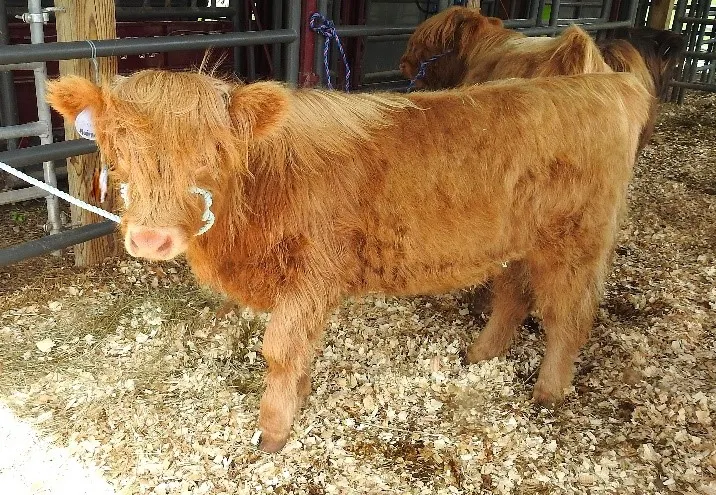
Mini highland cows for sale are beloved for their distinctive features and adaptable personalities. Physically, they boast long, shaggy coats that insulate against cold and repel water, coming in colors like red, black, dun, brindle, or even white in crosses. Their curved horns add to their iconic look but are generally harmless, especially in well-socialized animals.
Temperament-wise, these cows are docile, curious, and friendly, making them excellent for families or beginners. They thrive in herds, requiring companionship to avoid stress, and have a lifespan of 15-20 years with proper care. From a farming viewpoint, their efficient foraging reduces feed costs, while pet owners appreciate their low-key companionship.
Consider Jane, a hobby farmer who bought mini highland cows for sale from https://highlandsminaitureforsale.com; she notes their calm demeanor makes daily interactions enjoyable, but warns they need space to roam—about 1-2 acres per cow—to prevent boredom. Overall, these characteristics make mini highland cows for sale a versatile choice.
Breeds and Varieties of Mini Highland Cows for Sale
When exploring mini highland cows for sale, you’ll encounter several varieties, each suited to different needs. Pure Mini Highlands, standing 36-42 inches, retain classic red or black coats and excel in cold climates with minimal care. Highland Crosses, like Highparks, introduce white markings and may boost milk yield through Dexter influences.
Miniature Scottish Highlands, under 42 inches, are prized for show or pets, with brindle options adding visual appeal. From a breeding perspective, pure lines ensure hardiness, but crosses offer hybrid vigor for specific traits.
Selection depends on your goals: for meat or milk, opt for productive crosses; for aesthetics, pure minis shine. Always check registries when buying mini highland cows for sale from platforms like https://highlandsminaitureforsale.com to verify variety authenticity.
Step-by-Step Guide to Finding Mini Highland Cows for Sale
Finding quality mini highland cows for sale requires careful steps to ensure health and legitimacy. Here’s an actionable guide:
- Research Breeders and Registries: Start by identifying IMCBR- or AHCA-registered breeders. Review their websites for pedigrees and health records. Avoid unverified sellers promising “micro” sizes, as these may indicate dwarfism issues.
- Visit Farms or Online Listings: Attend auctions or browse online marketplaces. For example, https://highlandsminaitureforsale.com lists available mini highland cows for sale with detailed descriptions.
- Evaluate the Animals: Inspect for bright eyes, healthy coats, and calm behavior. Ask for veterinary history and genetic testing.
- Negotiate and Purchase: Discuss pricing, transportation, and warranties. Secure a contract outlining health guarantees.
- Transport and Settle In: Arrange safe transport and quarantine new arrivals for 2-4 weeks to monitor health.
This process, viewed from a buyer’s perspective, minimizes risks. A small farm owner might follow these steps to acquire mini highland cows for sale, ensuring they integrate well with existing livestock.
available cows
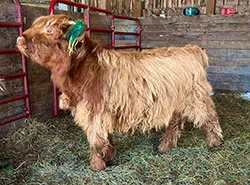
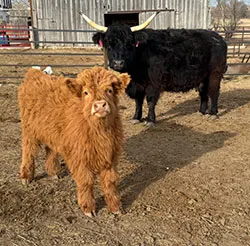
Cost of Mini Highland Cows for Sale
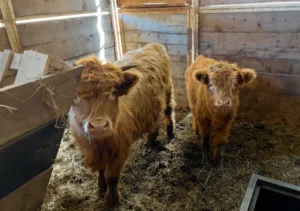
Understanding the cost of mini highland cows for sale is crucial for budgeting. Initial purchase prices range from $1,500-$5,000 for basic animals, escalating to $3,000-$10,000+ for registered or show-quality ones. Factors like age, gender, color rarity, and pedigree influence this—calves start at $1,000-$2,000, while breeding heifers command higher fees.
From an economic viewpoint, these costs are higher than common breeds but offset by low maintenance. Annual expenses total $800-$1,400 per cow, including feed ($300-$500), vet care ($100-$300), and infrastructure ($200). Long-term, breeding can yield ROI, with calves selling for $2,000+.
For instance, a beginner purchasing from https://highlandsminaitureforsale.com might budget $3,000 for a heifer plus $1,500 setup, totaling $4,500 first-year. Compare this to full-sized cattle, which cost more in feed alone. Always factor in local variations and potential tax benefits for farms.
Initial Purchase Costs for Mini Highland Cows for Sale
Breaking down initial costs: Basic mini highland cows for sale average $1,500-$5,000, but add-ons like rare colors (e.g., dun) can add $1,000+. Transportation might run $200-$500, and initial vet checks $100.
Ongoing Costs for Mini Highland Cows for Sale
Yearly upkeep includes hay at $5-$8 per bale (50-100 needed), minerals $50-$100, and emergencies $200. Perspectives vary: pet owners see it as affordable companionship, while farmers view it as an investment with agritourism potential.
Comprehensive Care Guide for Mini Highland Cows
Caring for mini highland cows demands a structured approach. This section provides step-by-step instructions for housing, health, and maintenance, ensuring your animals thrive.
From multiple angles, care balances practicality with welfare—pets need more interaction, while farm animals focus on productivity.
Housing and Environment for Mini Highland Cows
- Assess Space Needs: Allocate 1-2 acres per cow for grazing, with rotational paddocks to prevent soil erosion.
- Install Fencing: Use 5-6 ft woven wire or electric fencing; avoid barbed wire to prevent injuries.
- Build Shelter: Provide a three-sided barn with good ventilation and dry bedding like straw.
- Enrich the Area: Add toys or scratching posts for mental stimulation, especially for pets.
Example: On a 5-acre plot, rotate mini highland cows weekly to maintain pasture health, as seen in successful setups from https://highlandsminaitureforsale.com buyers.
Health and Veterinary Care for Mini Highland Cows
- Schedule Check-Ups: Annual vet visits for vaccinations against clostridial diseases and tetanus.
- Monitor Parasites: Conduct fecal tests every 6 months; deworm with ivermectin as needed.
- Hoof Maintenance: Trim hooves every 6-12 months to avoid lameness.
- Handle Emergencies: Watch for signs like lethargy; have a kit with bandages and antiseptics.
From a preventive perspective, hardy minis rarely fall ill, but climate changes in 2025 increase heat stress risks. Consult vets familiar with the breed.
Grooming and Daily Maintenance for Mini Highland Cows
- Brush Weekly: Use a curry comb to remove mats and promote coat health.
- Polish Horns Monthly: Apply mineral oil for shine and protection.
- Daily Checks: Inspect for injuries, refill water, and observe behavior.
- Train Gently: Use positive reinforcement for halter training from a young age.
Pet owners might enjoy grooming sessions as bonding time, while farmers integrate it into routines.
Feeding Mini Highland Cows: A Step-by-Step Guide
Feeding is a cornerstone of this guide, as proper nutrition directly impacts health and productivity. Mini highland cows for sale are efficient foragers, but structured feeding ensures optimal condition.
Daily Feeding Requirements for Mini Highland Cows
- Calculate Intake: Provide 1-2% of body weight in dry matter daily—about 15-20 lbs for a 1,000-lb cow.
- Core Diet: High-quality hay (timothy or orchard grass) and fresh pasture; supplement with mineral blocks for calcium and phosphorus.
- Add Grains Sparingly: Oats for energy if grazing is limited, but avoid overfeeding to prevent obesity.
- Ensure Water Access: Fresh water at all times, especially in winter—use heated buckets if needed.
Example: A milking mini highland cow might need protein-rich feeds post-calving, increasing milk yield to 1-2 gallons daily.
Seasonal Adjustments in Feeding Mini Highland Cows
- Winter Feeding: Increase hay to compensate for sparse pasture; add molasses for energy in cold snaps, but sparingly.
- Summer Considerations: Provide shade and electrolytes to combat heat; rotate pastures to maintain grass quality.
- Monitor and Adjust: Weigh animals quarterly and tweak diets based on condition.
From debates in farming communities, some advocate alfalfa for nutrition, while others warn against it for minis due to richness—stick to grass-based for balance. For tailored feeding plans, resources at https://highlandsminaitureforsale.com can help.
Breeding Mini Highland Cows for Sale
Breeding adds another layer to owning mini highland cows for sale. Gestation lasts 9 months, with easy calving due to wide hips. Step-by-step:
- Select Mates: Choose healthy, registered pairs for strong genetics.
- Monitor Pregnancy: Provide extra nutrition in late stages.
- Calving Preparation: Ensure a clean area; calves need colostrum within 2 hours.
- Post-Calving Care: Socialize calves early for temperament.
From a business perspective, breeding can generate income, but ethically, prioritize health over size reduction.
Conclusion: Embracing Mini Highland Cows for Sale
This guide to mini highland cows for sale, cost, care, and feeding equips you with the knowledge to succeed. Whether for pets or profit, these animals offer joy and utility. Remember, success starts with reputable sources—explore mini highland cows for sale at https://highlandsminaitureforsale.com for your next step. With commitment, you’ll enjoy these fluffy companions for years.