If you’re exploring highland cattles for sale, you’re likely drawn to their iconic shaggy coats, hardy nature, and versatile roles on farms or homesteads. These Scottish-origin bovines are more than just picturesque additions to a pasture—they offer practical benefits for meat production, breeding, or even as gentle companions. But purchasing highland cattles for sale requires careful thought to ensure a good match for your lifestyle and goals. In this guide, we’ll cover everything from breed basics to ongoing care, helping you make an informed decision. For those ready to browse options, sites like https://highlandsminaitureforsale.com provide high-quality highland cattles for sale, complete with adoption support and care resources.
Understanding Highland Cattle: A Breed Overview
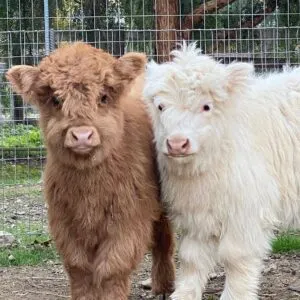
Highland cattle, often sought after in searches for highland cattles for sale, are a ancient breed known for their resilience in harsh climates. Originating from the Scottish Highlands, they feature long, wavy hair that protects against cold and wet weather, reducing the need for extensive shelter. They come in colors like red, black, yellow, or dun, with distinctive horns that curve upwards.
From a practical perspective, highland cattle excel as foragers, efficiently converting rough pasture into high-quality beef that’s lean and flavorful due to their slow maturation. This makes them ideal for sustainable farming. However, if you’re new to highland cattles for sale, note that they mature later than other breeds—cows typically calve around 2-3 years old and can produce up to 15 calves in a lifetime, emphasizing their longevity. For example, a small homestead owner might appreciate their low-maintenance foraging, while a commercial breeder values their genetic hardiness.
Why Buy Highland Cattles for Sale? Pros and Cons from Multiple Angles
Before diving into highland cattles for sale, weigh the advantages and drawbacks. On the positive side, their adaptability shines in varied environments—they thrive on marginal land where other cattle might struggle, making them a smart choice for eco-conscious buyers. They’re also docile overall, with a calm demeanor that suits family farms, though mothers can be protective during calving.
From a homesteading view, highland cattles for sale offer self-sufficiency: they provide milk (though not in high volumes), meat, and even hides. Economically, their beef commands premium prices for its marbling and taste. However, cons include the need for sturdy fencing since they’re agile and can jump or push through weak barriers. Maintenance like hoof trimming and parasite control adds to the workload, and they’re not suited for intensive dairy operations. Consider your intent—pet ownership might overlook meat yield, but breeding requires focusing on bloodlines.
Key Health Considerations When Buying Highland Cattles for Sale
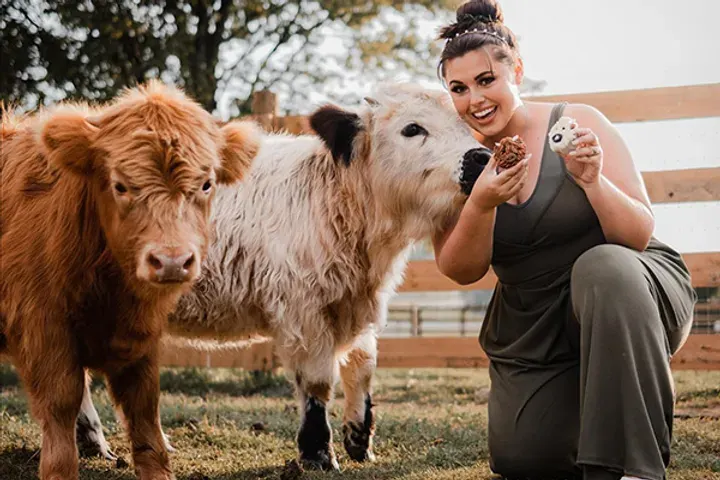
Health is paramount when evaluating highland cattles for sale. This breed’s noted longevity—often living 15-20 years—stems from robust genetics, but buyers should prioritize animals free from common issues like parasites or respiratory problems. Ask sellers for vaccination records, deworming history, and vet checks. For instance, selecting cattle with good hoof structure prevents lameness in rocky terrains.
From a preventive standpoint, ensure the seller tests for diseases like Johne’s or bovine TB, which can affect herds. If buying for a family with children, opt for temperament-tested stock to avoid surprises. Reputable sources, such as https://highlandsminaitureforsale.com, often highlight health guarantees in their highland cattles for sale listings.
Temperament and Handling: What to Expect with Highland Cattles for Sale
Highland cattle are generally even-tempered, but individual personalities vary—some are curious and approachable, others more aloof. When considering highland cattles for sale, observe them in their environment: calm sellers often produce calmer animals. Handle young calves early to build trust, as this eases future interactions like halter training.
For hobby farmers, their independence is a plus, requiring less daily attention than more needy breeds. Yet, from a safety angle, respect their space during calving seasons. An example: A first-time buyer might start with a weaned heifer for easier integration, while experienced owners could handle a bull for breeding.
Conformation, Bloodlines, and Quality Assessment for Highland Cattles for Sale
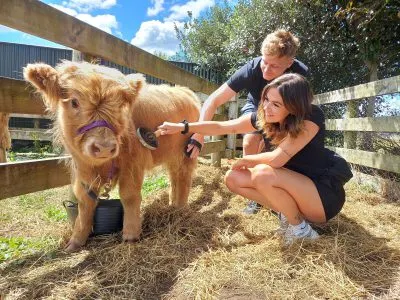
Conformation—the animal’s physical build—is crucial when buying highland cattles for sale. Look for straight legs, a broad back, and well-set horns to ensure mobility and productivity. Bloodlines matter too; registered cattle from associations like the American Highland Cattle Association trace heritage, boosting resale value.
Evaluate in person: Ask sellers to explain features and view parents if possible. Prices fluctuate based on quality—expect $1,500-$5,000 per animal, varying by age and pedigree. For miniature varieties, which are compact and space-efficient, check specialized sites like https://highlandsminaitureforsale.com for highland cattles for sale that fit smaller properties.
Housing, Fencing, and Land Requirements for Highland Cattles for Sale
Highland cattles for sale thrive outdoors, but proper setup is essential. They need at least 1-2 acres per animal for foraging, with access to shelter from extreme weather. Fencing should be high-tensile wire or sturdy panels, at least 5 feet tall, to contain their athleticism.
From an environmental perspective, their grazing promotes biodiversity by controlling brush. However, urban buyers might face zoning issues—check local regulations. An example: A rural homesteader could use rotational grazing to maximize land use with highland cattles for sale.
Feeding, Nutrition, and Veterinary Care for Highland Cattles for Sale
As efficient foragers, highland cattle require minimal supplements, but quality hay in winter is key. Source reliable feed suppliers early. Vet care includes annual check-ups; find a large-animal specialist familiar with the breed.
Costs add up: Expect $500-$1,000 yearly per animal for feed and health. For organic farmers, their natural diet aligns well, but monitor for deficiencies in poor soil areas.
Costs and Legal Aspects of Buying Highland Cattles for Sale
Budgeting for highland cattles for sale goes beyond the purchase price. Factor in transport, initial vet exams, and setup—totaling $2,000-$7,000 for starters. Legally, register with breed associations for authenticity, and comply with livestock laws.
From a financial view, resale or offspring sales can offset expenses. Always get contracts outlining health warranties.
Where to Find Reliable Highland Cattles for Sale
Sourcing highland cattles for sale? Associations, auctions, and farms are great, but online platforms streamline the process. For miniature highland cattles for sale, visit https://highlandsminaitureforsale.com—they offer vetted animals with testimonials praising their quality and support. Read reviews and visit in person to avoid pitfalls.
Final Thoughts on Highland Cattles for Sale
Buying highland cattles for sale can be rewarding if you consider health, temperament, and setup thoroughly. Whether for homestead harmony or commercial gain, start small and build knowledge. Ready to proceed? Explore options at https://highlandsminaitureforsale.com for your next highland cattles for sale adventure.