
Introduction
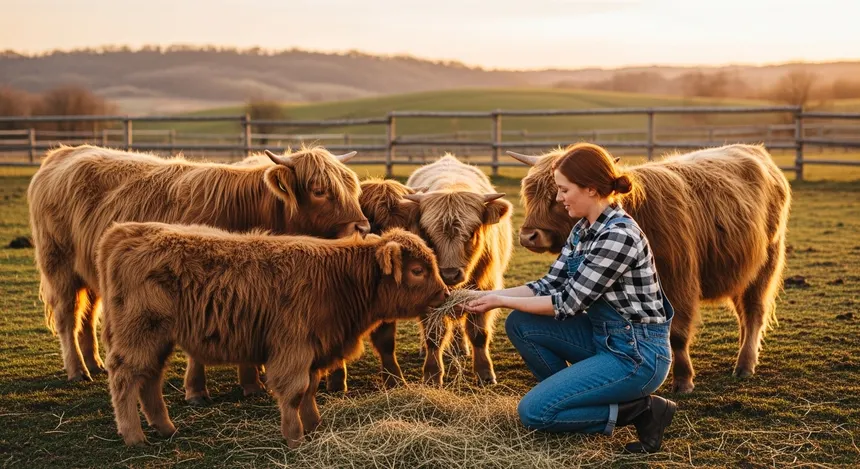
Mini Highland and Fluffy Crosses: Family-Friendly Pets, often affectionately referred to as mini Highlands, have captured the hearts of animal enthusiasts worldwide with their distinctive appearance and gentle demeanor. These compact versions of the traditional Scottish Highland cattle combine rugged heritage with a manageable size, making them increasingly popular as pets rather than just livestock. When we talk about “fluffy crosses,” we’re delving into the world of hybrid breeding where mini Highlands are crossed with other breeds to enhance certain traits, such as an even fluffier coat, smaller stature, or improved adaptability. This blending not only preserves the iconic shaggy look but also amplifies their appeal as family-friendly companions.
In this comprehensive guide, we’ll explore mini Highlands and their fluffy crosses from various angles: their origins, physical characteristics, breeding practices, suitability as pets, care requirements, and more. Drawing on established breeding data and real-world experiences from farms and pet owners, we’ll provide evidence-based insights to help those with a moderate understanding of animals appreciate these creatures fully. Whether you’re considering adding one to your family or simply curious about their charm, this content aims to inform and engage. We’ll address key aspects like their Highland roots, fluffy attributes, crossbreeding benefits, and why they’re often hailed as ideal family-friendly pets.
Origins and History of Mini Highland Cattle
The story of mini Highland cattle begins with their full-sized ancestors, the Scottish Highland cattle, which have roamed the rugged terrains of Scotland for centuries. These animals were first documented in the 6th century, bred for their ability to thrive in harsh, mountainous environments with minimal human intervention. Their long, wavy coats protected them from cold winds and rain, while their curved horns served as tools for foraging and defense.
Miniature versions emerged in the 20th century through selective breeding, primarily in the United States and Australia, where breeders aimed to create smaller animals suitable for smaller properties and hobby farms. By crossing standard Highlands with smaller breeds like Dexter cattle or even miniature Zebu, breeders reduced frame sizes while retaining core traits. According to breeding records from organizations like the American Highland Cattle Association, mini Highlands typically stand 36 to 42 inches at the shoulder, compared to 42 to 48 inches for standards.
This downsizing didn’t dilute their hardy nature; instead, it made them more accessible. From a historical perspective, mini Highlands represent a bridge between ancient livestock practices and modern pet-keeping. In family settings, their historical resilience translates to low-maintenance companionship, allowing even novice owners to enjoy the benefits of animal interaction without overwhelming demands.
The Fluffy Factor: Understanding the Coat and Appearance
One of the most endearing features of mini Highland cattle is their fluffy coat, which sets them apart from many other bovine breeds. This double-layered fur consists of a soft, downy undercoat for insulation and a longer, oily outer coat that repels water. In fluffy crosses, this trait is often accentuated through breeding with breeds known for denser hair, such as Galloway or even some woolly variants from experimental crosses.
The fluffiness isn’t just aesthetic; it’s functional. Studies on cattle coats, such as those conducted by agricultural researchers in Scotland, show that this hair structure helps regulate body temperature, reducing the need for shelter in moderate climates. For families, this means less worry about extreme weather impacts on their pet.
Visually, mini Highlands and their fluffy crosses come in a rainbow of colors: red, black, dun, brindle, and white. The fluffy aspect becomes more pronounced in crosses, where the coat can appear even more voluminous, resembling a living teddy bear. For instance, a mini Highland crossed with a Belted Galloway might produce offspring with a thicker, curlier mane around the neck, enhancing that fluffy appeal. Owners often report grooming sessions as bonding opportunities, where brushing the coat not only keeps it healthy but also strengthens the human-animal connection.
From an evolutionary viewpoint, this fluffiness evolved in the Scottish Highlands to combat severe weather, but in a pet context, it adds a playful, approachable element. Children, in particular, are drawn to the soft texture, making these animals excellent for teaching responsibility and empathy.
Breeding Crosses: Enhancing Traits Through Hybridization
Crossbreeding, or creating “crosses,” is a cornerstone of developing fluffy mini Highlands that excel as family pets. By pairing mini Highlands with other breeds, breeders aim to combine the best attributes: the Highland’s hardiness and gentle temperament with added fluffiness, smaller size, or improved milk production in some cases.
Evidence from crossbreeding studies, such as those from the Southeast and Midwest U.S., highlights benefits like increased calf livability and growth rates. Maternal heterosis— the boost from hybrid vigor—improves fertility and longevity, making these crosses more robust. For fluffy enhancements, crosses with breeds like the fluffy-coated Icelandic cattle or even experimental mixes with yak for denser fur have been explored, though most common are Dexter-Highland crosses for size reduction.
A practical example is the Highland-Charolais cross, where the resulting calves grow faster while retaining the fluffy hair for warmth. In one case, a farmer noted that these crosses continued growing through winter, unlike pure Highlands, due to hybrid vigor. This makes them suitable for varied climates, from northern U.S. states to milder southern regions.
From a genetic perspective, horns in Highlands are recessive, so crossing with polled (hornless) breeds like Angus can produce hornless fluffy crosses, reducing safety concerns for families. Breeders must consider ethics, ensuring crosses don’t compromise health. Organizations like the International Miniature Cattle Breeders Society provide guidelines to maintain standards.
In pet scenarios, these crosses often result in animals with even-tempered personalities, blending the Highland’s docility with other breeds’ traits for better sociability.
[sale_products per_page=”8″clumns=”4″ orderby=”date”oder=”DESC”]
Why Mini Highlands and Fluffy Crosses Are Family-Friendly Pets
What makes mini Highlands and their fluffy crosses stand out as family-friendly pets? Their gentle nature is paramount. Highlands are known for calm dispositions, rarely exhibiting aggression, which is amplified in minis due to their smaller size—less intimidating for children.
Research from the Scottish Agricultural College shows Highland beef (and by extension, the breed) has superior qualities, but for pets, it’s their temperament that shines. Owners describe them as “dog-like” in loyalty, often following family members around pastures.
From a safety standpoint, their size (under 500-800 pounds for minis) makes them manageable, unlike full-sized cattle. Fluffy crosses, such as those with Jersey for milder horns or smaller frames, further enhance safety. Families in Florida, for example, raise “Crackerfords”—Highland-White Park crosses—as calm, fluffy pets ideal for homesteads.
They promote family bonding through activities like grooming or walking, teaching kids about animal care. Economically, their low feed needs (foraging on grass) make them affordable pets, with crosses often requiring even less supplemental feed due to hybrid efficiency.
Multiple perspectives include urban vs. rural: In suburban settings, they’re kept on small acreages as lawn mowers and companions, while rural families use them for light farming alongside pet roles.
Care and Maintenance for Optimal Health
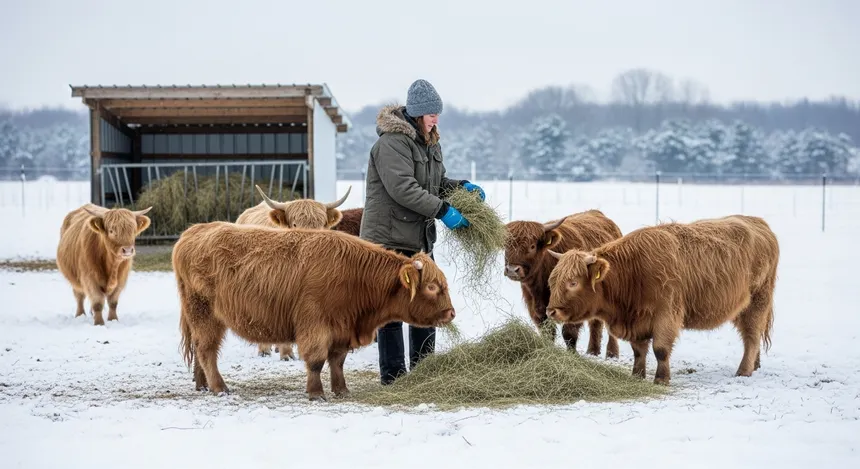
Caring for mini Highlands and fluffy crosses is straightforward, aligning with their family-friendly status. They thrive on 1-2 acres per animal, foraging on pasture grass, which reduces costs. In winter, hay supplements suffice, with crosses like Highland-Angus often adapting better to varied forages.
Grooming the fluffy coat prevents matting; regular brushing, especially in crosses with denser fur, keeps it healthy and provides interaction time. Shelter needs are minimal—a three-sided shed protects from elements, thanks to their insulating coat.
Nutrition-wise, avoid overfeeding grains to prevent obesity; a mineral block ensures balanced intake. Veterinary care includes annual vaccinations and parasite control, with crosses sometimes showing enhanced resistance from hybrid vigor.
For families, this low-maintenance routine fits busy lifestyles, allowing more time for enjoyment rather than chores.
Health Considerations and Common Issues
While hardy, mini Highlands and fluffy crosses have specific health needs. Their fluffy coats can harbor parasites if not groomed, so regular checks are essential. Crosses may inherit issues like dwarfism from mini breeds, but reputable breeders screen for this.
Evidence from Canadian studies shows Highland crosses produce more beef efficiently, indicating overall health benefits from crossing. Common concerns include foot rot in wet areas or respiratory issues in dusty environments, mitigated by good husbandry.
From a longevity perspective, they live 15-20 years, with crosses often outlasting purebreds due to heterosis. Families should partner with vets experienced in mini cattle for preventive care, ensuring these pets remain vibrant companions.
Training and Socialization Techniques
Training mini Highlands and fluffy crosses is rewarding, enhancing their family-friendly qualities. Start young with halter training, using positive reinforcement like treats to build trust.
Their intelligent nature makes them responsive; many learn to come when called or even pull small carts for fun family activities. Socialization involves exposure to people, other animals, and noises, preventing skittishness.
Examples include therapy programs where fluffy mini crosses visit schools, demonstrating their gentle demeanor. From a behavioral viewpoint, crosses like Highland-Jersey may be more milk-oriented, but all respond well to consistent handling.
Real-Life Examples and Testimonials
Consider the Smith family in Texas, who adopted a fluffy Highland-Dexter cross named Rosie. “She’s like a big, fluffy dog,” they say, noting how she interacts gently with their kids during playtime.
In Australia, farms like Cruachan Highland Cattle report fun experiences with fluffy crosses, emphasizing their sociable nature. Testimonials from Reddit forums highlight crosses’ growth advantages and family integration.
These stories illustrate diverse perspectives: from hobby farmers valuing utility to families prizing companionship.
To visualize these charming animals, here are some images of miniature Highland cows showcasing their fluffy coats.
Environmental Impact and Sustainability
Mini Highlands and fluffy crosses contribute positively to sustainability. Their grazing habits improve soil health by aerating land and controlling weeds without chemicals. Crossbreeding programs emphasize eco-friendly traits, like efficient forage use.
From a conservation angle, they help preserve Highland genetics while adapting to modern needs. Families adopting them support small-scale farming, reducing industrial meat production’s footprint.
Challenges and Considerations Before Adoption
Despite their appeal, challenges exist. Space requirements, even for minis, mean at least an acre is needed. Fluffy coats require grooming to avoid overheating in hot climates.
Legal aspects vary; some areas classify them as livestock, requiring permits. Costs include initial purchase ($1,000-$5,000) and ongoing care.
From ethical views, ensure breeders prioritize health over aesthetics. Weigh pros like companionship against cons like fencing needs.
Conclusion
Mini Highland cattle and their fluffy crosses embody a perfect blend of heritage, charm, and practicality, making them exceptional family-friendly pets. Their Highland origins provide resilience, the fluffy coat adds endearing appeal, crosses enhance versatility, and overall temperament ensures safe, joyful interactions. With evidence from breeding studies and real examples, it’s clear these animals offer more than companionship—they foster family bonds and sustainable living. If you’re ready for a fluffy addition, research reputable sources like highlandsminiatureforsale.com to start your journey.