
Table of Contents
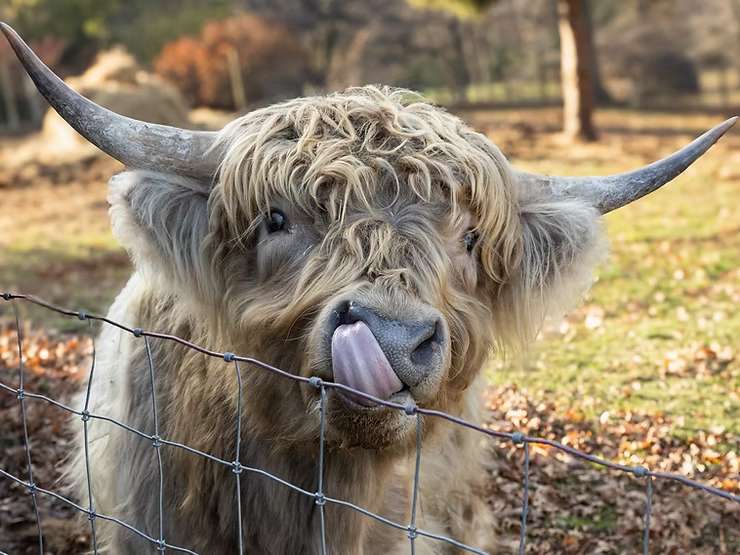
Mini highland cows are skyrocketing in popularity in 2025, thanks to their irresistible charm, fluffy coats, and friendly personalities. These miniature versions of the traditional Scottish Highland cattle are stealing hearts across social media and small farms alike. Whether you’re a homesteader searching for “mini highland cows for sale” or a family dreaming of a unique pet, this comprehensive guide covers everything from breeds and characteristics to care, costs, benefits, challenges, and frequently asked questions. As experts at Picture Perfect Ranch in Lancaster, Ohio, we’ve raised unregistered mid-sized mini Highlands for years, and we’re here to share our in-depth knowledge to help you decide if these adorable creatures are right for you.
Introduction to Mini Highland Cows
Mini highland cows, also known as miniature highland cattle or fluffy mini cows, trace their roots back to the rugged Scottish Highlands. Bred for centuries to withstand harsh weather and poor forage, traditional Highland cattle are iconic for their long, shaggy coats and curved horns. The mini variants emerged in the 20th century through selective breeding, often crossing Highlands with smaller breeds like Dexters to create more compact animals suitable for modern small-scale farming. In 2025, with the rise of homesteading and sustainable living, mini highland cows have become a top choice for those with limited space—typically standing 36 to 48 inches at the shoulder, weighing 500 to 800 pounds, making them far more manageable than their full-sized counterparts that can reach 1,000-1,800 pounds.

At Picture Perfect Ranch, we’ve seen firsthand how these cows, like our beloved Reba enjoying treats during guided tours, bring joy to visitors. Mini highland cows are incredibly social and thrive in herds, so we always recommend starting with at least two to prevent loneliness. Their gentle, docile nature makes them excellent with children and other animals, positioning them as ideal family pets or companions on hobby farms. Beyond their cuteness, they offer practical benefits like natural land management through grazing, potential income from breeding, and even agritourism opportunities such as petting zoos.
But owning mini highland cows isn’t just about the fluff—it’s a commitment. This guide will delve into their characteristics, breeds, care requirements, costs (which can range from $1,500 to $15,000 in 2025), benefits, challenges, and FAQs to equip you with all the knowledge needed. If you’re typing “mini highland cows near me” into search engines, read on to discover why these pocket-sized bovines might be your next farm addition.
Understanding Mini Highland Cow Breeds and Variations
While often lumped together, mini highland cows come in several breeds and variations, each with unique traits suited to different needs. Understanding these helps you choose the right one for your setup.
Origins and Pure Breeds
The pure mini highland cow aims to retain 100% Highland genetics while achieving a smaller stature through selective breeding. Originating from Scotland’s ancient cattle, these minis inherit the breed’s resilience, with double-layered coats for insulation and horns for protection. In 2025, registries like the International Miniature Cattle Breeder’s Society emphasize standards: under 42 inches for true minis, ensuring health and proportionality. Colors include red, black, dun, and brindle, with the shaggy coat providing natural weather resistance.
Popular Crossbreeds
Many “mini highland cows” are actually crosses to enhance size reduction or traits:
- Highland-Dexter Cross: Combines Highland hardiness with Dexter’s compact build, resulting in cows 36-42 inches tall. Ideal for milk production (1-2 gallons daily) and lean beef.
- Highpark Cattle: A Highland-White Park cross, known for striking white coats with black points. These are ornamental favorites, often priced higher due to rarity.
- Miniature Scottish Highland: Focuses on pure lines but miniaturized, under 42 inches, with emphasis on show quality and pet suitability.
For quick comparison, here’s a table of popular breeds:
| Breed/Variation | Height | Coat Colors | Best For | Average Cost (2025) |
|---|---|---|---|---|
| Pure Mini Highland | 36-42″ | Red, Black, Dun | Breeding, Pets | $3,000-$8,000 |
| Highland-Dexter Cross | 36-40″ | Mixed, Brindle | Milk, Meat | $2,000-$6,000 |
| Highpark | 38-42″ | White/Black Points | Ornamental | $5,000-$10,000 |
These variations make mini highland cows versatile, but always buy from reputable breeders to avoid “teacup” scams—true minis aren’t smaller than 36 inches without health risks.
Choosing the Right Breed
Factors like climate (they thrive in cold but need shade in heat), space (1-2 acres minimum), and purpose (pet vs. production) guide your choice. For beginners, a Highland-Dexter cross is forgiving and cost-effective.
Characteristics of Mini Highland Cows
Mini highland cows stand out with their distinctive features that blend aesthetics and functionality. Their long, wavy coats—often called “fluffy”—serve as natural insulation, coming in vibrant colors like red, black, brindle, or dun. This double coat (soft underlayer and oily outer) protects against cold, rain, and insects, making them low-maintenance in various climates.
Horns are another hallmark: both bulls and cows grow them, curving gracefully and adding to their majestic look. Contrary to myths, these horns are not aggressive tools; they’re evolutionary remnants for defense, and with proper handling, pose no threat. At our ranch, sires like Johnny showcase this striking feature without any issues.
Physically, minis have sturdy builds with strong legs for navigating rough terrain, despite their size. Temperament-wise, they’re calm, curious, and intelligent, often bonding deeply with owners. This makes them easier to handle than larger breeds, ideal for novices. However, they’re herd animals, so isolation can lead to stress—always pair them up.
What is the Life Expectancy of a Mini Highland Cow?
Mini highland cows boast an impressive life expectancy of 15 to 20 years, outpacing many other cattle breeds when given proper care. This longevity stems from their hardy genetics, but it’s contingent on factors like diet, health management, and environment.
To maximize lifespan, prioritize regular veterinary check-ups. Annual exams, vaccinations against clostridial diseases, and parasite control (deworming every 6-12 months) are essential. Nutrition plays a huge role: a balanced diet prevents obesity, a common issue in minis. High-quality hay, pasture, and mineral supplements support coat, horn, and overall health.
Grooming and monitoring are key—brush coats weekly to prevent matting and spot issues early. Socialization boosts emotional well-being, reducing stress-related illnesses. With commitment, your mini like our sire Cash can thrive into their late teens, providing years of companionship.
Comprehensive Care Guidelines for Mini Highland Cows
Caring for mini highland cows is rewarding but requires dedication. Here’s an expanded guide based on 2025 best practices.
Nutrition and Feeding
A balanced diet is foundational. Provide high-quality hay (timothy or orchard grass) as the staple, supplemented by fresh pasture. Minis eat about 1-2% of their body weight daily (10-20 lbs for a 800-lb cow), far less than full-sized cattle. Avoid high-carb or sugary feeds to prevent obesity and foot problems.
Seasonal tips: In winter, increase hay and ensure heated water. Minerals like calcium and phosphorus blocks support horn growth. Foraging is a bonus—they munch on weeds, aiding eco-friendly land management. Consult vets for customized plans, especially for milking minis.
Housing and Environment
Secure fencing (5-6 feet high, woven wire) prevents escapes, while a three-sided shelter protects from elements. Pasture: 1-2 acres per cow with rotational grazing to maintain soil health. In hot climates, provide shade; in cold, their coats suffice.
Health and Veterinary Care
Routine checks include hoof trims (every 6-12 months), vaccinations, and deworming. Watch for parasites, respiratory issues, or genetic concerns like dwarfism in crosses. Breeding: 9-month gestation; monitor calves for health.
Grooming and Daily Maintenance
Brush weekly, polish horns monthly. Daily interactions build trust.
Training and Socialization
Use positive reinforcement for halter training. Socialize early for gentleness.
The Benefits of Owning Mini Highland Cows
In 2025, mini highland cows offer unmatched advantages:
- Low Maintenance: Less space and feed—eat 1/3 of full-sized cows.
- Production: Lean meat, rich milk; breeding for income (calves $2,000+).
- Eco-Friendly: Improve soil via grazing.
- Companionship: Gentle pets, great for families.
They enhance agritourism, boosting farm revenue.
Challenges of Owning Mini Highland Cows
Be prepared for:
- Costs: Initial $1,500-$15,000; annual $800-$1,400.
- Space: Still need 1-2 acres.
- Time: Daily care.
- Legal: Check zoning.
Frequently Asked Questions (FAQs) About Mini Highland Cows
Targeting common searches in 2025:
- How much does a mini highland cow cost? Expect $1,500-$15,000, with calves $2,000-$5,000.
- Are mini highland cows real? Yes, but often crosses; no true “micro” without health risks.
- What do mini highland cows eat? Hay, grass, minerals; avoid grains.
- Can mini highland cows be pets? Absolutely, with socialization.
- How big do mini highland cows get? 36-48 inches tall.
- Do mini highland cows need special care? Yes, grooming, vet checks, companionship.
- Where can I buy mini highland cows? Reputable breeders; check registries.
- Are mini highland cows good for small farms? Ideal, low-impact grazing.
- What is the lifespan of a mini highland cow? 15-20 years.
- Can mini highland cows produce milk? Yes, 1-2 gallons daily in crosses.
Final Thoughts on Mini Highland Cows
Mini highland cows are a delightful, versatile addition to any homestead. At Picture Perfect Ranch, our heifer calves exemplify their charm. Weigh benefits against challenges, and reach out—we raise mid-sized minis in Ohio and connect farms nationwide.