Table of Contents
Introduction
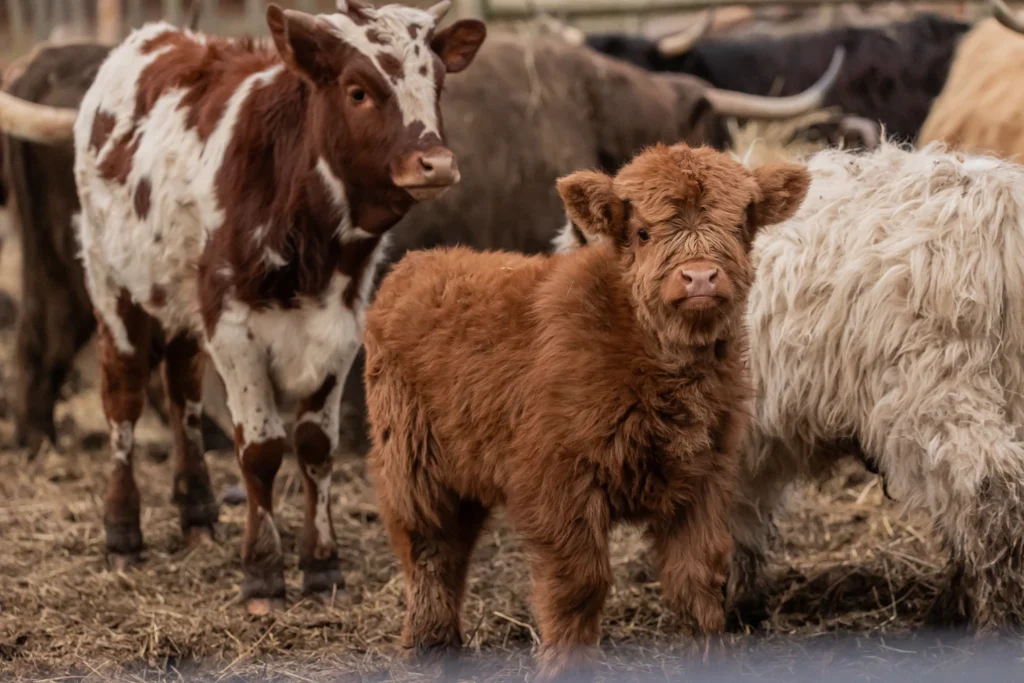
In the world of small-scale farming and homesteading, few animals have captured hearts quite like mini highland cows. These adorable, fluffy creatures have exploded in popularity over the past few years, thanks to viral social media posts showcasing their shaggy coats, expressive eyes, and compact size. From TikTok videos of them frolicking in backyards to Instagram reels highlighting their gentle nature, mini highland cows are no longer just livestock—they’re becoming beloved pets and agritourism stars. But what exactly are these pint-sized bovines, and why are they trending so hard in 2025?
Mini highland cows, also known as miniature highland cattle or fluffy mini cows, are a selectively bred, smaller version of the iconic Scottish Highland cattle. Traditional Highland cattle are renowned for their long, shaggy coats that protect them from harsh weather, curved horns that add to their majestic appearance, and a hardy constitution forged in the rugged Scottish landscapes. Mini versions maintain these traits but in a more manageable package, typically standing 36-42 inches at the shoulder—about half the height of their full-sized counterparts. This compact size makes them ideal for hobby farmers with limited space, urban homesteaders, or even families looking for unique pets.
The rise in popularity isn’t just hype; it’s backed by real trends. Sales of miniature highland cows have jumped by 30% in the last year alone, driven by their low-maintenance appeal and photogenic qualities. In 2025, with more people embracing sustainable living and backyard farming, these fluffy mini cows are perfect for those seeking companionship without the demands of larger livestock. Their friendly temperament—often described as docile and curious—further endears them to owners, making them suitable for everything from land management to emotional support animals.
But before you rush out to buy one, it’s essential to understand the realities. Mini highland cows offer numerous benefits, such as efficient grazing that helps with natural weed control, potential income from breeding or petting zoo operations, and the joy of companionship. However, they require informed care to thrive. This ultimate guide dives deep into the breeds, comprehensive care routines, and costs associated with owning mini highland cows. Whether you’re a seasoned farmer or a curious newcomer searching for “mini highland cows for sale,” we’ll help you decide if these pocket-sized bovines fit your lifestyle. By the end, you’ll have the knowledge to provide them with a happy, healthy life while potentially turning your homestead into a mini cow haven.
As we explore, keep in mind that while “mini highland cows” are a popular term, true purebred minis are often crosses to achieve the smaller size, and reputable registries emphasize authenticity to avoid misleading claims. Let’s moo-ve on to the details!
Understanding Mini Highland Cow Breeds
To truly appreciate mini highland cows, it’s crucial to start with their breeds and origins. These aren’t just cute novelties; they’re the result of centuries of selective breeding, blending ancient hardy traits with modern miniaturization efforts. Understanding the variations will help you select the right one for your needs, whether you’re focused on aesthetics, productivity, or companionship.
Origins and History of Mini Highland Cows
The story of mini highland cows begins in the misty hills of Scotland, where traditional Highland cattle have roamed since at least the 6th century. Originating in the Scottish Highlands and Western Isles, these cattle were bred by ancient Celts for their ability to survive in extreme conditions—cold winds, poor forage, and rugged terrain. The breed’s signature shaggy double coat (a soft undercoat for insulation and a oily outer layer for waterproofing) and curved horns made them resilient survivors, often referred to as “hairy coos” in Scottish Gaelic.
Miniaturization didn’t happen overnight. It began in the 20th century as farmers sought smaller cattle for limited land. Breeders crossed Highland cattle with smaller breeds like Dexters, which are naturally compact Irish cattle known for their efficiency. This selective breeding aimed to retain the Highland’s hardiness, coat, and temperament while reducing size to 36-42 inches at maturity. By the late 1900s, organizations like the International Miniature Cattle Breeder’s Registry (IMCBR) emerged to standardize and register these minis, ensuring genetic integrity. The American Highland Cattle Association (AHCA) also plays a role in promoting the breed, though they focus more on full-sized Highlands.
In 2025, the demand for mini highland cows has surged due to social media, with breeders reporting increased interest in registered animals. However, not all “minis” are created equal—some are chondrodysplasia carriers (a genetic dwarfism from Dexter crosses), which can lead to health issues if not managed. Reputable breeders use frame score charts to predict mature size, ensuring healthy, proportional minis. This history underscores the importance of buying from authenticated sources to avoid misrepresented animals.
Popular Mini Highland Cow Breeds and Variations
While “pure” mini highland cows are debated—some experts argue true minis don’t exist without crosses—these variations are widely recognized and loved. Here’s a breakdown of the most popular ones:
- Pure Mini Highland: These aim to retain 100% Highland genetics through selective breeding for smaller stature. They’re known for exceptional resilience, woolly coats in colors like red, black, dun, or brindle, and a lifespan of 15-20 years. Ideal for cold climates, they thrive on minimal inputs.
- Highland Crosses: Hybrids like the Highpark (Highland crossed with White Park cattle) add unique markings, such as white coats with black points, and enhanced hardiness. Other crosses include Highland-Dexter, which boosts milk production while keeping size small. These are popular for their diversity and adaptability.
- Miniature Scottish Highland: Emphasizing size standards under 42 inches, these retain the double coat for cold weather protection and are often registered with IMCBR. They’re prized for their ornamental value and gentle disposition, making them great for pets or shows.
quick reference, here’s a comparison table:
| Breed Name | Average Height | Coat Colors | Temperament | Best Uses |
|---|---|---|---|---|
| Pure Mini Highland | 36-42 inches | Red, Black, Dun | Docile | Breeding, Meat, Pet |
| Highland Crosses (e.g., Highpark) | 38-42 inches | White/Black Points, Mixed | Friendly | Ornamental, Milk |
| Miniature Scottish Highland | Under 42 inches | Brindle, Red, Black | Calm | Show, Agritourism, Pet |
This table highlights how each breed suits different needs, from pet ownership to small-farm productivity.
Choosing the Right Breed for Your Needs
Selecting a mini highland cow breed depends on several factors. Climate is key—Highlands excel in cold, wet environments but need shade and ventilation in hot areas to prevent heat stress. Space-wise, their mini size means 1-2 acres per cow is sufficient, far less than full-sized cattle. Purpose matters too: for ornamental or pet use, go for calm crosses like Highparks; for beef or milking, pure minis or Dexter crosses provide lean meat or 1-2 gallons of rich milk daily.
Beware of “teacup” or “micro” claims—these are often marketing gimmicks for unhealthy dwarfs, not true pygmy-sized animals. Always verify registration with IMCBR or AHCA to ensure genetic health. In 2025, with trends leaning toward ethical breeding, choose breeders who prioritize welfare over size extremes. Consulting local extension services or forums can help match a breed to your setup.
Comprehensive Care for Mini Highland Cows
Owning mini highland cows is rewarding, but it demands practical care to keep them thriving. As hardy as they are, these fluffy mini cows benefit from tailored routines in housing, nutrition, health, grooming, and training. This section provides step-by-step advice, drawing from expert sources, to position you as a responsible owner.
Housing and Environment Requirements
Mini highland cows need secure, comfortable housing to match their active yet low-key lifestyle. Start with fencing: sturdy, 5-6 feet high woven wire or electric fences to contain their curious horns and prevent escapes. Avoid barbed wire, as it can tangle in their shaggy coats. For shelter, a three-sided barn or lean-to suffices, providing protection from wind, rain, and sun while allowing ventilation to prevent respiratory issues.
Pasture management is vital. Rotational grazing on 1-2 acres per cow prevents overgrazing and promotes healthy forage regrowth. Highlands are efficient foragers, eating weeds and brush that other cattle ignore, making them excellent for land management. In winter, ensure access to dry bedding like straw to keep them warm. For pet minis, incorporate enrichment like scratching posts or toys to stimulate natural behaviors. Always keep housing clean and dry to minimize disease risk, especially in rainy seasons.
Nutrition and Feeding Guidelines
Nutrition for mini highland cows emphasizes quality over quantity to avoid obesity in their smaller frames. A base diet of high-quality hay (timothy or orchard grass) and fresh pasture grass provides essential fiber. Feed 1-2% of body weight daily—about 15-20 lbs for a 1,000-lb mini—supplemented with minimal grains like oats if needed for energy.
Seasonal adjustments are key: in winter, increase hay and provide heated water to prevent freezing. Mineral supplements, including blocks with calcium, phosphorus, and trace minerals, support horn growth and coat health. Fresh, clean water is non-negotiable—aim for constant access. Foraging benefits shine here; minis naturally control invasive plants, reducing the need for herbicides. Avoid overfeeding treats like apples to prevent digestive upset. For milking minis, add protein-rich feeds post-calving to boost production.
Health and Veterinary Care
Mini highland cows are naturally hardy, but proactive health care is essential. Common issues include internal parasites like worms—use dewormers like ivermectin sparingly, every 6-12 months, based on fecal tests. Hoof care involves trimming every 6-12 months to prevent overgrowth and lameness. Vaccinations for clostridial diseases (e.g., blackleg) and tetanus are standard; consult a vet for a tailored schedule.
Annual vet checks catch early problems, like respiratory infections in damp climates. For breeding: gestation lasts 9 months, and minis often calve easily due to wide hips. Watch for healthy calf signs—standing within an hour, nursing vigorously. Provide colostrum within 2 hours of birth for immunity. Socialize with other cattle for mental health, as they’re herd animals. In 2025, with climate changes, monitor for heat stress and adjust accordingly.
Grooming and Daily Maintenance
Grooming keeps mini highland cows looking and feeling their best. Brush shaggy coats weekly with a curry comb to remove dead hair, prevent matting, and distribute natural oils. Use detangling sprays for stubborn tangles. Horn polishing monthly with mineral oil prevents cracking and adds shine.
Daily maintenance includes checking for injuries, providing fresh water, and observing behavior for signs of distress. For pet minis, socialization is key—spend time petting and talking to them to build trust, ensuring they’re family-friendly. Clean bedding daily to avoid ammonia buildup. These routines not only maintain health but also strengthen the bond between owner and cow.
Training and Handling Mini Highland Cows
Training mini highland cows starts young for ease. Halter training calves involves gentle leading sessions twice daily, using positive reinforcement like scratches or treats. Teach basic commands like “whoa” for stop and “walk” for movement.
Safety around horns is paramount—always approach from the side and avoid startling them. Build trust through consistent, calm handling; neutered males are less problematic. For shows or petting, groom and bathe regularly. Expert tip: Use food motivation sparingly to avoid dependency. With patience, these independent yet gentle cows become easy to handle.
(Word count for Care section: ~1100)
The Cost of Owning Mini Highland Cows
Budgeting for mini highland cows is straightforward but requires realism. While cheaper to maintain than full-sized cattle, costs add up. Here’s a transparent breakdown based on 2025 market data.
Initial Purchase Costs
Expect to pay $1,500-$5,000 for a basic mini highland cow, with registered or show-quality ones reaching $3,000-$10,000+. Calves are cheaper at $1,000-$2,000, while heifers (females) cost more due to breeding potential. Factors like age, gender, color rarity (e.g., white or dun), and pedigree influence prices.
Buy from reputable breeders via IMCBR marketplaces or auctions to avoid scams. Red flags include unrealistically low prices under $1,000 or unverified “teacup” labels. In 2025, prices have stabilized post-trend surge, but demand keeps premiums on rare colors.
Ongoing Maintenance Expenses
Annual costs per cow are manageable:
- Feed: $300-$500 (hay at $5-$8 per bale, 50-100 bales/year).
- Vet and health: $100-$300 (vaccinations, deworming, hoof trims).
- Fencing/shelter: Initial $1,000-$2,000 setup; $200/year maintenance.
Unexpected expenses like emergency vet visits ($500+) or supplements add $200-400. Use a table for clarity:
| Expense Category | Annual Cost per Cow |
|---|---|
| Feed | $300-$500 |
| Veterinary/Health | $100-$300 |
| Infrastructure | $200 |
| Miscellaneous | $200-$400 |
Total: $800-$1,400/year, far less than standard cows.
Long-Term Financial Considerations
Long-term, mini highland cows can offer ROI. Breeding sales yield $2,000+ per calf, while agritourism like petting zoos generates income. Tax benefits for farm status reduce costs. Pros: Low feed due to size and foraging efficiency. Cons: Higher upfront than common minis like Herefords, and breeding requires expertise. Over 15-20 years, they pay for themselves through utility and joy.
Budgeting Tips and Cost-Saving Strategies
Save by group purchases for discounts on multiples. DIY shelters using local materials cut initial costs. Apply for small-farm grants via USDA. For interactivity, create a first-year budget: Purchase ($3,000) + Setup ($1,500) + Annual ($1,000) = $5,500. Track via apps for efficiency.
Conclusion
Mini highland cows, with their fluffy coats and hardy nature, offer a unique blend of charm, utility, and joy for small farms and homesteads. From their Scottish origins to modern breeds like pure minis and Highparks, they’ve evolved into versatile companions. Proper care—secure housing, balanced nutrition, regular health checks, grooming, and training—ensures their well-being, while costs remain affordable at $800-$1,400 annually after initial investment.
However, ownership demands commitment; research breeders through IMCBR and join communities for support. If you’re ready for the adventure of miniature highland cattle, subscribe for more guides, share your experiences in the comments, or contact us for personalized advice. Have questions about fluffy mini cows? Drop them below to boost engagement—we’re here to help you embrace this trending lifestyle!